What to know about gardeners costs in Chingford E4
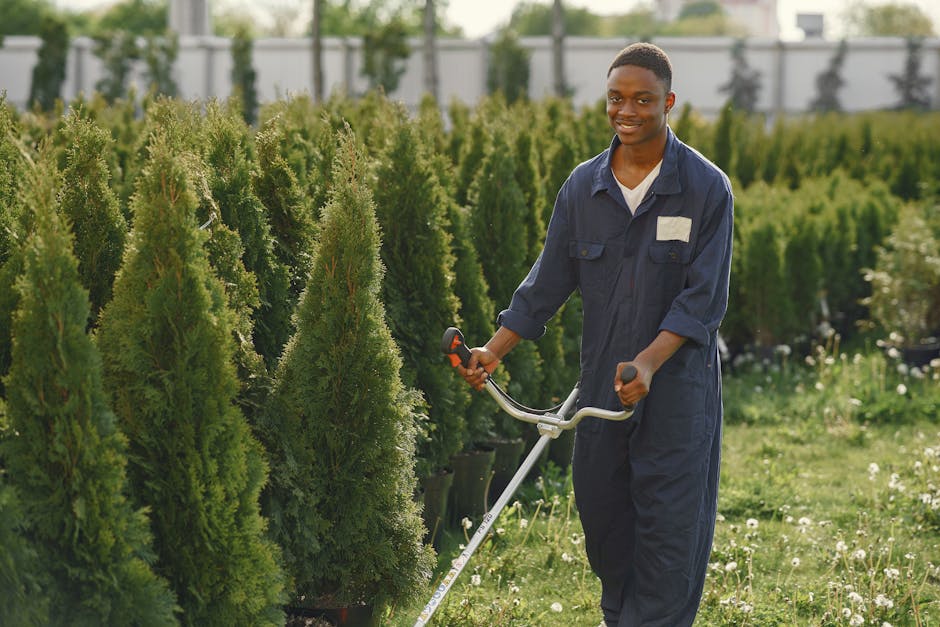
If you are comparing gardener prices in Chingford E4, you are probably trying to answer a very ordinary but surprisingly tricky question: what should a fair garden job actually cost? Not the glossy brochure version. The real version, where overgrown hedges, awkward access, wet weather, and a garden that looks different in daylight all change the price a bit. In this guide, we break down what to know about gardeners costs in Chingford E4 so you can budget sensibly, ask better questions, and avoid paying too much for a job that should be straightforward.
We will look at what affects pricing, how gardeners usually quote, where costs can creep up, and how to judge value rather than just picking the cheapest number. You will also find a practical checklist, a comparison table, and a few grounded examples. No fluff. Just the useful stuff.
Why gardeners costs in Chingford E4 matter
Garden work is one of those services that can look simple from the outside and then turn into a longer, more involved job once someone is actually standing in the space. A lawn that needs a tidy-up may be quick. A garden clearance with brambles, green waste, old pots, and a hidden patch of rubble? That is a different story entirely. So the cost matters because it tells you more than the final bill. It reflects time, labour, disposal, equipment, and sometimes a fair bit of problem-solving.
In Chingford E4, many gardens are compact, sloped, partially paved, or tucked behind houses with limited access. That changes the work. It can affect how long the job takes, whether waste needs to be carried through the property, and whether extra equipment is needed. Let's face it, a five-minute quote over the phone is often a guess unless the work is very small.
Understanding cost helps you compare quotes properly. Not just "who is cheapest?", but "who has actually understood the job?" That one question saves a lot of headaches later. And yes, sometimes the cheapest quote becomes the most expensive choice once extras appear. Bit annoying, but common.
If you are looking at broader garden care rather than a one-off visit, it may help to review the scope on the services overview and the more specific garden maintenance page so you can match the job to the right type of service.
How gardening pricing usually works
Gardeners usually price work in one of three ways: hourly, fixed quote, or by job type. Each method has pros and cons, and the right one depends on how clearly the work can be defined.
Hourly pricing is common for smaller, flexible jobs where the exact time needed is uncertain. This suits general tidying, pruning, weeding, or a mixed maintenance visit. It is transparent in theory, but only if the gardener explains what is included and whether waste removal, tools, or travel are separate.
Fixed quotes are better when the job is clear, such as a full hedge trim, a lawn cut on a regular schedule, or a defined clearance task. A proper fixed quote gives you cost certainty. That said, it relies on the gardener having enough information to price accurately. If you leave out key details, the quote may not hold.
Job-based pricing sits in the middle. For example, a standard lawn mowing visit may be priced as a simple visit rate, while hedge trimming or garden clearance may depend on height, volume, access, and disposal needs.
What changes the price most often?
- Garden size and layout
- How overgrown the space is
- Type of work needed, such as mowing, hedge trimming, or clearance
- Whether waste is removed from site
- Access through the house, side gate, alley, or rear lane
- Equipment required for the job
- How many gardeners are needed
- Urgency and timing
If you are comparing maintenance options, it can help to read about lawn mowing services and hedge trimming because those tasks are often priced differently from a general tidy-up.
Key benefits and practical advantages
Getting a clear handle on gardeners' costs is not just about saving money. It also helps you plan the garden properly, avoid awkward surprises, and keep the work consistent through the year. That matters if you want a space that looks cared for rather than constantly recovering from neglect. You know the sort of thing: the garden looks fine in April, then summer arrives and suddenly everything is sprinting in different directions.
Here are the main practical advantages:
- Better budgeting: you can plan monthly, seasonal, or one-off spending with less guesswork.
- Cleaner comparisons: you can compare quotes on scope, not just headline price.
- Less risk of disputes: clear expectations mean fewer "I thought that was included" conversations.
- Improved garden care: regular work usually costs less than letting everything get out of hand and then paying for a rescue job.
- More usable outdoor space: small, steady maintenance tends to keep patios, paths, borders, and lawns in better shape.
There is also a quiet benefit people often miss: better pricing visibility makes it easier to decide what you can do yourself and what is better left to a professional. A light weed and sweep? Fine for many homeowners. A tall hedge on a ladder with uneven ground? That is another conversation entirely.
Who this is for and when it makes sense
This topic is useful if you are:
- a homeowner wanting to keep the garden tidy without overspending
- a landlord preparing a property for new tenants
- a busy family trying to keep on top of growth in warmer months
- someone dealing with an overgrown garden after a long gap in maintenance
- a resident comparing one-off work with regular upkeep
It also makes sense if you have recently moved and discovered the garden is not quite as "easy to manage" as it looked on the viewing. Happens all the time, truth be told. A neat front path can hide a lot of work out back.
The costs become especially relevant when the job is not routine. For example, if you need garden clearance after a tenant leaves, or if shrubs have been left to run for several seasons, you may be looking at a different level of labour entirely. In those cases, browsing garden clearance and related services such as tree lopping and removal can help you understand what kind of work may sit inside the quote.
If your goal is a polished outdoor space rather than basic tidying, then higher-cost work may be worth it because it usually includes a more structured finish and better planning. Not always. But often enough.
Step-by-step guidance
If you want to compare gardener costs properly in Chingford E4, use a structured process. It keeps you calm, which is useful because estimates can sound similar even when the work is very different.
- List the jobs clearly. Separate mowing, hedge trimming, weeding, clearance, pruning, and any small repairs or waste removal.
- Measure or describe the space. Approximate garden size, hedge height, gate width, and access points all matter.
- Note the condition. Is the garden lightly untidy, or heavily overgrown? Those are not the same job.
- Ask what is included. Labour only? Tools? Fuel? Waste disposal? Sweep-up? These details can change the total a lot.
- Ask whether it is hourly or fixed. That single point can make comparing quotes much easier.
- Request written confirmation. Even a short message outlining the scope protects both sides.
- Compare value, not just price. A slightly higher quote may include better waste handling, more time on site, or a cleaner finish.
A simple tip: if you are not sure how to describe the job, take a few clear photos in daylight. Not arty shots. Just honest ones. One from the back gate, one of the main lawn area, one of the worst corner, maybe a close-up of the hedge. That usually gives a much better basis for pricing than a vague description over the phone.
If you want to understand how a provider presents pricing and quote requests, the pricing and quotes page is a sensible place to start.
Expert tips for better results
Here is where a bit of real-world experience helps. The gardens that are cheapest to maintain are usually the ones that get touched regularly. Not because they are magically simple, but because they never reach the point where every task becomes a rescue mission.
First tip: keep the work in seasons. Spring clearance, summer mowing, autumn leaf work, winter tidy-up. That rhythm tends to control costs better than waiting until everything is dense, wet, and sprawling.
Second tip: ask whether the gardener can bundle tasks. A single visit for mowing, edging, and light hedge trimming is often more efficient than three separate call-outs. Less travel, less duplication, fewer interruptions. Nice and simple.
Third tip: be honest about the state of the garden. People sometimes downplay the mess a bit, probably to feel better about it. Fair enough. But if a hedge is overgrown or waste is piled in a corner, say so. It helps the quote stay realistic.
Fourth tip: think about disposal. Waste removal is one of the biggest areas where cost changes. If there is a lot of green waste, bags, branches, or mixed rubble, it may be more efficient to book clearance alongside the main job rather than treating it as an afterthought.
Fifth tip: ask about standards of finish. A tidy cut is not the same as a lawn edged, swept, and left ready to use. If you care about the result, say so. Nothing dramatic. Just say it clearly.
Sometimes the best value comes from a gardener who is slightly slower but more methodical. Slightly. Not painfully slow. There is a difference.
Common mistakes to avoid
Most bad experiences with garden pricing come from poor scoping, not bad intentions. The work is often perfectly reasonable; the expectations were just fuzzy.
- Choosing the cheapest quote without checking what is included. A low number can be incomplete.
- Giving too little detail. "Just a tidy-up" means different things to different people.
- Ignoring access issues. A narrow side passage or long carry distance can affect labour time and cost.
- Forgetting waste removal. Green waste does not vanish on its own, sadly.
- Mixing several jobs into one vague request. Clear scopes get clearer quotes.
- Assuming every gardener works the same way. Some specialise in maintenance, others in clearance, landscaping, or heavier work.
Another common one: people expect a "quick trim" but the hedge hasn't been touched in ages. Then the quote looks high. Not because anyone is being awkward, but because the job has grown. Literally.
When in doubt, ask for a breakdown of what the gardener expects to do on site. That alone can expose hidden complexity before the work starts.
Tools, resources and recommendations
You do not need special software to manage gardener costs, but a few practical tools make the process cleaner.
- Phone photos: ideal for showing the garden's condition and access.
- Notes app or notebook: useful for listing each task separately.
- Simple measurements: rough lawn size, hedge length, or number of garden beds.
- Calendar reminders: helpful if you want regular seasonal visits rather than ad hoc work.
- Quote comparison sheet: list scope, inclusions, waste removal, and timing side by side.
For more substantial outdoor changes, it can also help to compare maintenance against improvement work. For example, if you are thinking about new structure, paths, or a redesigned layout, reading about landscaping or landscape gardening can help you separate ongoing upkeep from one-off transformation work.
If the garden includes structural timber features or decking areas, you may want to factor in decking services as part of the overall spend, because garden budgets often overlap. A tidy garden is one thing; a usable outdoor layout is another.
And a small but sensible note: a gardener who is transparent about payment, invoicing, and terms tends to be easier to work with. If that matters to you, the site's payment and security information is worth a look.
Law, compliance, standards, or best practice
For most garden maintenance work, the practical concern is not complex regulation; it is safe, sensible working practice. That said, there are still a few standards and duties worth keeping in mind.
If a gardener uses ladders, cutting tools, or machinery, safe setup matters. If waste is taken away, it should be handled responsibly. If a job involves trees, overgrown height, or near-boundary work, extra care is needed. It is sensible to ask how a provider approaches safety, insurance, and risk before agreeing to work. That is not being awkward. That is being careful.
In everyday terms, you want a gardener who:
- works safely around people, pets, and property
- uses appropriate equipment for the task
- clears up properly after the job
- communicates any limitations or risks in advance
- handles waste and site condition with care
If you are booking more involved work, especially anything involving height or heavy removal, check the provider's approach to health and safety and insurance and safety. Those pages help show how seriously the business treats risk, which is exactly what you want when someone is working with blades, branches, or awkward access.
There is also a sustainability angle. Re-using, recycling, and reducing unnecessary waste are increasingly standard expectations in garden work. If that matters to you, take a look at the company's recycling and sustainability approach. It is a practical consideration, not just a nice-to-have.
Options, methods, or comparison table
Different garden jobs suit different pricing styles. Here is a simple comparison to help you think it through.
| Pricing method | Best for | Pros | Watch out for |
|---|---|---|---|
| Hourly rate | General tidy-ups, flexible maintenance, uncertain jobs | Flexible, easy to start, good for small mixed tasks | Can rise if the job turns out bigger than expected |
| Fixed quote | Clearly defined jobs such as hedge trimming or clearance | Cost certainty, easier budgeting, fewer surprises | Needs accurate information up front |
| Visit-based pricing | Regular lawn mowing or recurring maintenance | Simple to plan, often efficient for repeat work | Scope still needs clarification, especially for seasonal growth |
In practical terms, the best option is usually the one that matches the job shape. If the work is recurring and predictable, a visit-based arrangement can be neat. If the garden has gone a bit wild and you want a one-off reset, a fixed quote for clearance may be better. If the scope is still uncertain, hourly can be fair, but only with clear limits and clear communication.
Case study or real-world example
Picture a typical Chingford E4 garden after a wet spring. The lawn needs cutting, the hedge has pushed outwards more than anyone expected, and there is a corner near the fence with dead leaves, clippings, and a few bags of old plant pots. Nothing extreme. Just enough to be annoying.
The homeowner asks for a quote and describes it as "a bit of gardening." That sounds harmless, but the gardener cannot tell whether it is a 45-minute tidy or a half-day job. Once the photos arrive, the picture changes. The hedge is taller than the client thought, the access gate is narrow, and the waste needs removal. Suddenly the quote makes more sense.
What improved the process?
- clear photos from different angles
- a list of tasks instead of one vague request
- an honest note about waste and access
- a decision to combine mowing and hedge work in one visit
The result was a better-fitting price and a cleaner finish. Not magic. Just better information. That is usually what saves money in the real world.
And yes, a garden can look very different after one proper session. Fresh cut grass, the sharper smell of clipped hedge, a clear path underfoot. Small thing, but you notice it when you step outside the next morning.
Practical checklist
Use this checklist before you request or accept a quote:
- Have I listed every task I want done?
- Have I noted whether waste removal is needed?
- Have I explained access issues clearly?
- Have I shared photos of the garden in daylight?
- Do I know whether the price is hourly or fixed?
- Do I understand what is included in the quote?
- Have I asked about timing and visit length?
- Have I checked whether the work is maintenance, clearance, or landscaping?
- Have I compared value, not just the lowest price?
- Have I saved the written quote or message for reference?
If you can tick most of those boxes, you are in a strong position. If not, no drama. Just gather the missing details first. A proper quote is much easier to trust when the job has been described properly.
Get a free quote today and see how much you can save.
Conclusion
Knowing what drives gardeners' costs in Chingford E4 puts you in control. You do not need to become a pricing expert, and you certainly do not need to memorise a spreadsheet of garden tasks. You just need to understand the basics: scope, access, waste, timing, and the difference between routine maintenance and heavier work.
Once you know those moving parts, quote comparisons get a lot easier. You stop comparing vague numbers and start comparing real value. That is the difference between a garden job that feels tidy and manageable, and one that becomes a chore before it even starts.
If you are planning a one-off tidy-up, a seasonal reset, or ongoing care, the smartest next step is usually to define the work clearly and ask for a proper written quote. Simple, really. And a lot calmer.
There is something reassuring about a well-kept garden on a quiet London evening. A bit of order. A bit of breathing space. Worth getting right.
Frequently Asked Questions
How much do gardeners usually charge in Chingford E4?
Prices vary depending on the type of work, garden size, access, and whether waste needs removing. A small maintenance visit is usually priced differently from a full clearance or hedge job, so the best approach is to ask for a quote based on the actual task list.
Is it cheaper to book regular garden maintenance?
Often, yes. Regular maintenance can cost less over time because the garden never gets too overgrown. It usually takes less labour to keep things tidy than to rescue a neglected space.
Why do some quotes seem much higher than others?
One quote may include waste removal, more labour time, better access planning, or a more detailed finish. Another may only cover basic labour. The headline number is not the full story.
Should I choose hourly or fixed-price gardening?
Fixed price is often better for clear jobs like hedge trimming or garden clearance. Hourly can work for flexible maintenance, but only if you are happy with some uncertainty and the scope is well explained.
Does garden clearance cost more than mowing?
Usually it does, because clearance often involves more labour, more waste, and more disposal handling. Mowing is more routine; clearance is often heavier and less predictable.
What details should I give before asking for a quote?
Give the garden size, the tasks needed, access details, hedge heights if relevant, and whether waste needs taking away. Photos are very useful too. A couple of clear pictures can save a lot of back-and-forth.
Do gardeners in London charge extra for difficult access?
They may, especially if tools and waste have to be carried a long way, or if access is awkward. That is not unusual. It simply reflects the time and effort involved.
How can I keep gardening costs down?
Book regular maintenance, combine tasks into one visit where practical, and keep the garden from becoming heavily overgrown. Clear communication also helps prevent surprise extras.
What should be included in a proper gardening quote?
A proper quote should explain the work, the pricing method, any waste removal, and any important limits or exclusions. If something matters to you, ask for it to be confirmed in writing.
Is waste removal always included?
No, not always. Some gardeners include it, while others charge separately. This is one of the most important things to clarify before the work starts.
Do I need to worry about safety and insurance?
Yes, especially for taller hedges, tree work, or jobs using machinery. It is sensible to choose a provider that can explain its approach to safety and insurance clearly.
What is the best time of year to book garden work?
It depends on the job. Spring and early summer are busy for general maintenance, while autumn often brings leaf clearance and tidy-up work. Booking earlier can help if you want a preferred date.
How do I know if I am paying a fair price?
Compare the scope of work, not just the amount. A fair price is one that reflects the actual job, the time involved, and the finish you want. If a quote seems vague, ask for more detail before deciding.