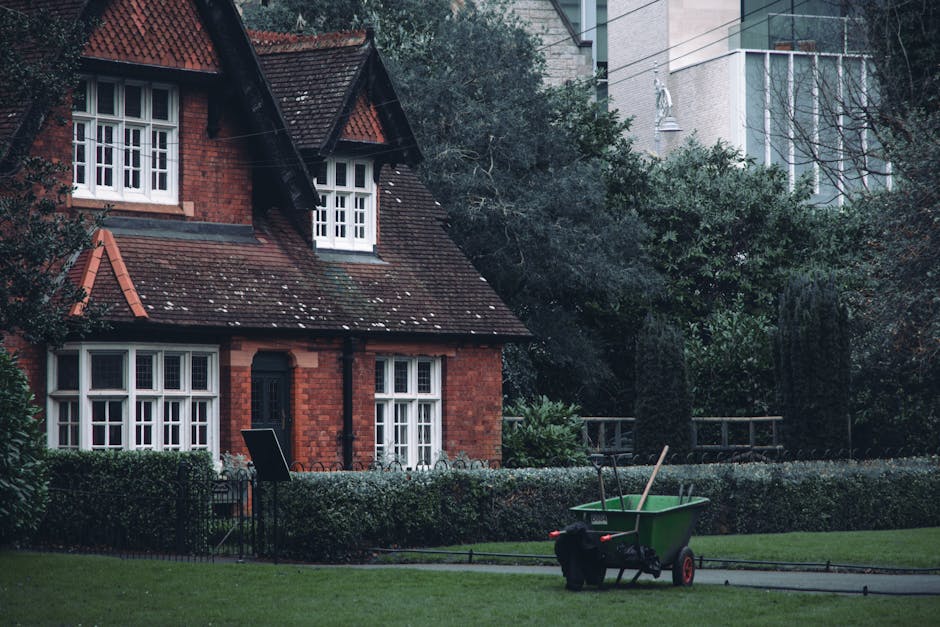
Hale End estate gardeners tips for Chingford front gardens

Front gardens in Chingford do a lot of quiet work. They greet visitors, soften hard paving, frame a home, and-if they're well kept-make the whole place feel looked after before anyone even opens the gate. The trouble is, a front garden also has to survive everyday life: shade from trees, passing traffic dust, awkward soil, narrow paths, and the pressure of looking tidy all year round. That is where Hale End estate gardeners tips for Chingford front gardens really come in handy. The best approach is practical, local, and a little bit disciplined, but not fussy. In this guide, you'll find straightforward advice on layout, planting, maintenance, and the little decisions that make a front garden work in real life, not just in a magazine spread.
Whether you want a cleaner entrance, better kerb appeal, easier upkeep, or a front garden that actually suits a busy London home, the aim is the same: make it attractive without making it high-maintenance. Simple enough in theory. In practice, a few good habits make all the difference.
Why Hale End estate gardeners tips for Chingford front gardens Matters
Front gardens in and around Hale End and wider Chingford often have to balance two things at once: visual appeal and easy maintenance. That sounds obvious, but it's where many gardens go off track. A space that looks lovely in spring can become cluttered by June, while a tidy, bare layout can feel a bit harsh and lifeless. The sweet spot is somewhere in between.
Estate-style gardening tends to value structure, consistency, and neat boundaries. That works especially well for front gardens because the front of a home sets the tone. You don't need an elaborate design to get a strong result. A well-cut lawn, a clipped hedge, tidy edging, and a few reliable plants can do more than a fancy but chaotic scheme. Honestly, you notice the difference the moment you step back from the pavement.
There's also the practical side. Front gardens deal with compacted soil, limited planting depth, exposure to road grit, and frequent foot traffic. If you ignore those realities, maintenance quickly becomes a chore. If you plan with them in mind, the garden stays calmer and easier to manage. That's really the heart of it.
For homeowners who want a managed, polished look, it can help to think in terms of ongoing care rather than one-off transformation. Services such as garden maintenance and lawn mowing are often the difference between a garden that merely exists and one that looks intentional every week.
How Hale End estate gardeners tips for Chingford front gardens Works
The approach is simple, but it needs consistency. Start with structure, then add planting, then keep everything trimmed and tidy. If you reverse that order, you can end up planting around problems rather than solving them.
Think of the front garden as a series of layers:
- Hard structure: paths, borders, edging, drive margins, fencing, and any visible paving.
- Soft structure: hedges, shrubs, small trees, and evergreen anchor plants.
- Seasonal detail: flowering plants, bulbs, or pots that bring movement and colour.
- Routine maintenance: mowing, pruning, sweeping, weeding, and debris removal.
In a typical Chingford setting, a front garden works best when the structure does most of the heavy lifting. You want the garden to look good even in winter, when flowers are sparse and everything else is going a bit sleepy. A few evergreens, a clipped hedge, and clean edges will carry the design through the dull months. Then, when spring comes, you can layer in colour without starting from scratch.
If you've ever looked at a front garden and thought, "It should be nicer, but I don't know where to begin," that's usually a sign the structure needs attention first. A light tidy-up is fine for a week or two. Long term, the garden needs a proper system. That may include hedge shaping, turf care, or clearing out old growth through garden clearance before anything else makes sense.
Key Benefits and Practical Advantages
A good front garden does more than look pleasant. It makes daily life easier. That's not a glamorous answer, but it's the truth.
- Better kerb appeal: A clean, balanced front garden creates an immediate sense of care.
- Lower maintenance: A well-planned layout needs less rescue work later on.
- Safer access: Clear paths and sensible planting reduce trip hazards and awkward overgrowth.
- Improved plant health: Plants placed in the right light and soil conditions are far less trouble.
- More usable space: Even a small front garden can feel larger when it is uncluttered and organised.
- Seasonal flexibility: You can refresh the look without ripping everything out.
One of the less talked-about advantages is peace of mind. When a front garden is under control, the whole house frontage feels calmer. You don't keep glancing at the hedge and thinking, "I really should sort that." Let's face it, that mental nudge can hang around for weeks.
For some properties, especially those with visible boundaries, neat hedge lines and clean planting beds are worth prioritising early. If that's the weak point, a dedicated hedge trimming service can make an immediate visual difference. If trees are part of the front garden, you may also need occasional advice on tree lopping and removal where safety, shade, or light levels become an issue.
Who This Is For and When It Makes Sense
This approach suits a wide mix of Chingford homeowners and landlords. In practice, it's useful for:
- busy families who want a neat front without endless weekend work
- older homeowners who prefer a manageable routine
- landlords preparing a property for viewings
- people selling a house and needing better first impressions fast
- anyone dealing with a tired, overgrown, or patchy front garden
- homeowners who simply want the place to feel more finished
It also makes sense if your front garden has one or more of these issues:
- thin, patchy turf
- hedges that have become wider than they should be
- borders filled with self-seeded plants and weeds
- hard surfaces stained by debris or leaf fall
- plants that look fine for two months, then collapse into a mess
If the garden is mostly decorative, you may not need much intervention beyond regular upkeep. But if the space is carrying too much complexity for its size, that is usually a sign to simplify. A stripped-back, well-finished front garden often looks far better than a busy one. Counterintuitive, maybe. True, though.
And if you want a broader overview of what can be supported on an ongoing basis, it's worth looking at the full range of services overview rather than trying to solve everything in one go.
Step-by-Step Guidance
Here is a practical way to shape and maintain a front garden so it stays attractive without becoming a full-time job.
1. Start with a clean slate
Remove dead annuals, broken pots, fallen branches, weeds in paving joints, and anything that makes the space feel neglected. If the garden is seriously cluttered, begin with a proper clearance rather than trying to work around the mess. You will save time later.
2. Define the edges
Good edges make a garden look planned, even when the planting is simple. Use clean border lines, trimmed lawn edges, or crisp paths to separate grass from beds. A front garden without edges often feels fuzzy and unfinished.
3. Check light, shelter, and soil
Before choosing plants, notice where the sun actually lands during the day. A north-facing front garden under a tree canopy will behave very differently from an open, sunny frontage. Clay soil, dry soil, and compacted soil all need different handling. It sounds tedious, but it prevents a lot of disappointment.
4. Pick a small plant palette
Try not to cram in too many species. A restrained mix of shrubs, evergreens, and seasonal colour usually looks better and is much easier to maintain. Repetition can be your friend here. A row of the same plant done well is often stronger than six different plants fighting for attention.
5. Make the lawn earn its place
If you have a small front lawn, keep it sharp. Mow it regularly, keep the edges tidy, and don't let it become a half-wild afterthought. If the grass struggles because of shade or wear, consider reducing the lawn area and replacing part of it with planting, gravel, or hard landscaping.
6. Keep hedges and shrubs under control
Hedges need regular shaping before they become too wide or too tall. Shrubs also benefit from light, consistent pruning rather than dramatic cuts once a year. A little and often approach works best for front gardens where neatness matters.
7. Finish with detail
Sweep paths, clear leaves, rinse down visible hard surfaces, and remove any broken stems or faded flowers. That last 10% of effort often gives you 50% of the visual improvement. A bit dramatic, but not far off.
Expert Tips for Better Results
When people ask for the best front-garden improvements, I usually say the same thing: don't start with plants, start with behaviour. What do you want the garden to do for you? Be low-maintenance? Frame the house? Hide bins? Soften brickwork? The answer changes everything.
Use structure to do the heavy lifting
Evergreens, clipped hedging, and consistent edging hold the design together throughout the year. Then seasonal planting can be used sparingly for colour and interest. This is especially effective in Chingford front gardens where weather, shade, and road exposure can make softer planting look messy quite quickly.
Prioritise scale over novelty
Small front gardens often suffer when plants grow too large. A shrub that seems modest in the nursery can quickly swallow a path or block a window. Choose plants for their mature size, not the nice little version in the pot. Been there, bought that, regretted it.
Use repetition to create calm
Three or five of the same plant in a border can look elegant and settled. Scattershot planting usually doesn't. Repetition gives the eye a place to rest.
Think about the view from the street first
Most front gardens are seen from a short distance, often in motion. You're not designing a botanical close-up. You're designing a passing glance. Strong outlines, clear colour blocks, and visible symmetry can work brilliantly from the pavement.
Don't fight the site
If an area is shaded, choose shade-tolerant plants. If the soil dries out quickly, build in mulch and drought-resilient planting. If the frontage is exposed, avoid delicate varieties that will flap about and sulk in the wind. The garden should suit the site, not the other way round.
For homeowners who prefer a handover from planning to upkeep, combining design input with landscape gardening or landscaping can be a sensible route. The key is not to overcomplicate it. A well-finished front garden rarely shouts; it just looks right.
Common Mistakes to Avoid
There are a few front-garden mistakes that turn up over and over again. Most are fixable. Some are just annoying.
- Overplanting: Too many species, too little space, and no room for anything to breathe.
- Ignoring maintenance: Even a clever design falls apart if the edging, hedge, and lawn are neglected.
- Choosing plants only for flowers: A garden needs year-round structure, not just a brief burst of colour.
- Letting hedges become barriers: A hedge that blocks light or access can create more problems than it solves.
- Using too much hard landscaping: Front gardens can become stark if every soft area is removed.
- Forgetting drainage or soil conditions: Waterlogging and compacted ground can quietly ruin planting plans.
One common misstep is trying to "finish" a front garden in a single weekend. Sometimes that works. Often it doesn't. A better route is to sort the structure first, live with it for a bit, then refine the planting. That gives you room to make better choices rather than rushed ones.
Another mistake? Expecting a garden to look polished while the edges are shaggy and the bins are visible from the road. Harsh, maybe, but fair.
Tools, Resources and Recommendations
You don't need a shed full of specialist gear to keep a front garden looking sharp. A small, dependable kit is usually enough.
Useful tools for routine care
- sharp hand shears for light pruning
- a mower suitable for the lawn size
- border spade or edging tool
- rake for leaves and loose debris
- stiff broom for paths and paved areas
- gloves, secateurs, and a watering can or hose as needed
When professional help is worth it
If the garden needs recurring hedge work, a lawn that wants regular attention, or a bigger tidy-up after months of neglect, professional support can be worth the cost. You're not just paying for labour; you're paying for pace, consistency, and a better finish.
For jobs with more debris than you expected, or where the front area has become crowded with cuttings and old materials, garden clearance can reset the space quickly. For properties where the frontage includes timber features or raised seating, decking services may also be relevant if you want the entrance area to feel more cohesive.
Helpful planning mindset
Ask three questions before changing anything:
- What is annoying me most?
- What can be made easier to maintain?
- What will still look good in six months?
If a solution fails one of those questions, it probably needs rethinking. Simple rule, but it keeps you honest.
Law, Compliance, Standards, or Best Practice
Front gardens are mostly about appearance and practicality, but there are a few best-practice points worth keeping in mind. You do not need to turn the project into a legal exercise, yet a little care avoids hassle.
Visibility and access matter. Planting should not block sightlines for driveways, paths, or roads. If a hedge or shrub starts obscuring visibility, it may be time to reduce it before it becomes a nuisance.
Safety comes first with tree and hedge work. Tall growth, unstable branches, and awkward access can be risky. If a job feels beyond hand tools and light pruning, it is sensible to get help from someone who understands safe working methods and garden insurance expectations. For more on that side of things, the site's insurance and safety information is a useful place to start.
Waste should be handled responsibly. Green waste, branches, and soil spoil should be removed, reused, or recycled appropriately. Sustainability matters more than many people think, especially when maintenance is regular. If you are comparing approaches, the page on recycling and sustainability gives a good sense of how tidy work can stay environmentally sensible.
Boundaries and neighbouring properties deserve care. If a hedge, shrub, or tree overhangs a neighbour's side, a considerate approach avoids friction. It's just good practice. Keep conversations open, especially in terraced or closely spaced streets where front gardens sit close together.
If you want to understand how a service provider handles jobs, expectations, or general terms, it can also help to review terms and conditions before booking. And if you ever need clarity on how your details are handled when making an enquiry, privacy policy and about us pages can help build trust without any fuss.
Options, Methods, or Comparison Table
There is no single right way to manage a front garden. The best method depends on how much time you have, what the space is like, and how polished you want the result to feel. Here's a simple comparison.
| Method | Best for | Pros | Trade-offs |
|---|---|---|---|
| Minimal maintenance planting | Busy homeowners, smaller front gardens | Lower upkeep, cleaner look, fewer tasks | Less seasonal variety, needs careful plant choice |
| Formal estate-style layout | Homes wanting strong kerb appeal | Smart appearance, clear structure, year-round order | Needs regular trimming and edging |
| Mixed planting with lawn | Homes with more space | Softens the frontage, offers variety, feels welcoming | Can become untidy if not maintained |
| Hard landscaping-led frontage | Low-light or awkward plots | Very manageable, durable, practical | Can look stark if not softened with planting |
In many Chingford streets, a hybrid works best: a small lawn or paved approach, one or two structured beds, and trimmed boundary planting. That mix usually gives the nicest balance of order and warmth. The main thing is not to let the garden drift into a "bit of everything" design. That's where it starts looking tired.
Case Study or Real-World Example
Here's a realistic example from a typical front garden situation. A homeowner had a narrow frontage with patchy grass, a hedge that had grown too wide, and a border full of mixed shrubs that no longer suited the space. From the road, it looked crowded. Up close, it felt even worse because every corner needed attention.
The first step was not planting. It was simplifying. The overgrown hedge was cut back to a cleaner line, dead material was removed, and the border was thinned so the strongest shrubs could actually breathe. The lawn was kept only where it still made sense; the rest of the edge was sharpened and easy to mow. A small number of plants were retained for texture, while the rest were cleared.
The result was not flashy, and that's exactly why it worked. The front of the house suddenly looked calmer. The path felt wider. The window line was visible again. And the upkeep dropped because the garden finally matched the space available. You could almost hear the whole frontage exhale.
That kind of outcome is common when the work is driven by structure first. If a garden is overwhelmed, the answer is usually not more planting. Usually.
Practical Checklist
Use this checklist to keep your front garden on track through the year.
- Trim hedges before they spread too far into paths or drive edges
- Mow the lawn regularly, especially in active growing periods
- Keep borders weed-free and remove self-seeded growth early
- Refresh mulch or gravel where the soil is exposed
- Check whether any shrubs are becoming too large for their space
- Sweep paving and clear leaves before they build up
- Replace tired bedding plants with something more reliable if needed
- Inspect the front boundary for clutter, broken pots, or dead material
- Review whether the layout is still easy to maintain
- Book occasional professional help for bigger cut-backs or resets
If you're doing this in spring or early autumn, you'll usually get the best return for the effort. That said, a quick tidy in any season is still worth it. Front gardens reward consistency more than perfection.
Get a free quote today and see how much you can save.
Conclusion
The best Hale End estate gardeners tips for Chingford front gardens are not complicated, and that's part of their appeal. Keep the structure neat. Choose plants that suit the site. Trim regularly. Avoid overcrowding. And remember that the front garden's job is to make the property feel welcoming without making upkeep a burden.
If you get those basics right, the space becomes easier to live with and better to look at, week after week. Not a miracle, just good gardening done properly. In a busy part of London, that matters more than people think.
And truth be told, a front garden that quietly behaves itself is one of the nicest luxuries a homeowner can have.
Frequently Asked Questions
What are the best plants for a Chingford front garden?
The best plants are usually compact, reliable, and suited to your light levels. Evergreens, low shrubs, and hardy perennials often work well because they give structure without demanding too much attention. The exact choice depends on shade, soil, and how formal you want the space to look.
How often should a front garden be maintained?
Most front gardens benefit from light attention every one to two weeks during active growth. That usually means mowing, edging, removing weeds, and checking for overgrowth. Less can work for low-maintenance gardens, but neglect tends to show quickly at the front of a house.
Do estate-style front gardens need a lawn?
No, not always. A lawn can look smart, but it is not essential. In smaller or shadier front gardens, a mix of paving, beds, gravel, and shrubs may work better and be easier to maintain. The key is balance, not forcing a lawn where it struggles.
How do I make a small front garden look bigger?
Keep the layout simple, use clean edges, avoid overcrowding, and choose fewer plant types repeated in groups. Removing visual clutter helps a lot. A narrow space often feels larger once the lines are crisp and the planting is controlled.
What if my front garden gets very little sunlight?
Choose shade-tolerant plants and avoid species that need full sun to stay healthy. You may also want to reduce lawn area if the grass stays thin or mossy. In darker front gardens, structure and texture matter more than bright flowering displays.
Is hedge trimming really that important for kerb appeal?
Yes, more than most people realise. A hedge that is too wide or too tall can make the whole frontage look neglected, even if everything else is tidy. Regular trimming keeps light, space, and shape under control.
Can I improve kerb appeal without a full redesign?
Absolutely. Often the biggest improvements come from mowing, edging, pruning, clearing debris, and simplifying planting. You do not always need a redesign. Sometimes the garden just needs a proper reset and a routine.
When should I call in professional help?
If the front garden is overgrown, the hedge is awkward to reach, the lawn needs regular care, or you want a cleaner finish than you can manage alone, professional help makes sense. It is especially useful when you need quick progress before selling, renting, or hosting visitors.
How do I stop a front garden looking messy in winter?
Use evergreen plants, keep the lines sharp, and remove dead growth before it builds up. Winter mess often comes from weak structure rather than lack of flowers. If the skeleton of the garden is strong, it still looks good when the colour disappears.
What is the easiest way to keep a front garden low maintenance?
Keep the planting palette small, reduce lawn where practical, use mulch to suppress weeds, and choose shrubs that do not outgrow the space quickly. Low maintenance is usually about smart design at the start, not less work forever.
How do I know whether my front garden needs clearance or maintenance?
If the space is cluttered, hard to move through, or full of dead and overgrown material, clearance is the better first step. If the garden is basically sound but just needs routine care, maintenance is enough. Many gardens need a bit of both at different times.
Where should I start if everything feels a bit out of control?
Start with the worst visible problem. For many front gardens, that means the hedge, weeds, or a patchy lawn. Once one major issue is under control, the rest becomes easier to assess. Small wins first. That's usually how it goes.