Epping Forest edge garden care and Chingford gardeners guide
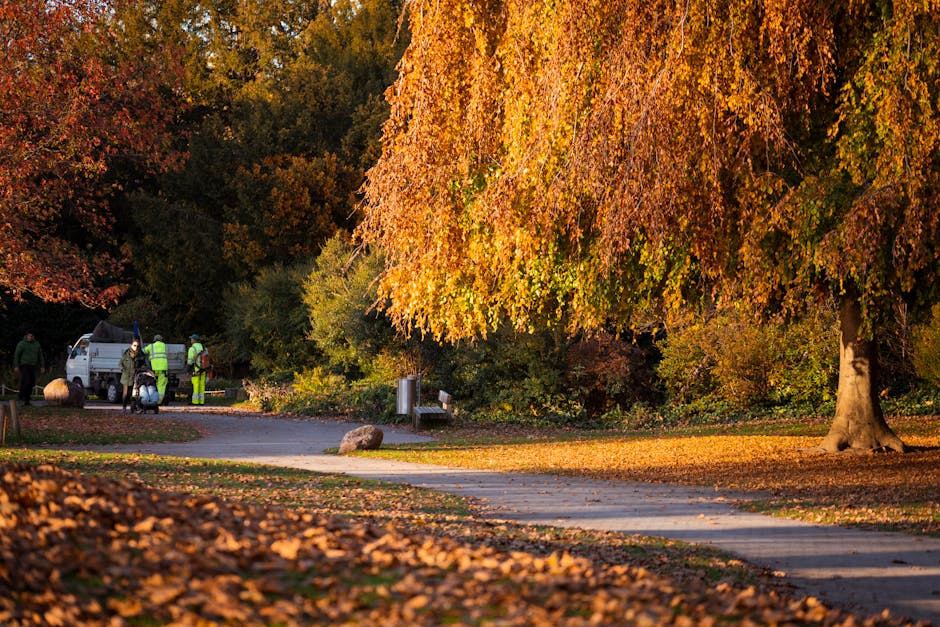
If your garden sits close to Epping Forest, you already know it can behave a little differently from a typical town garden. Shade arrives earlier, leaf fall can be relentless, roots compete for space, and damp edges can invite moss, weeds, and uneven growth before you've had time to catch your breath. This Epping Forest edge garden care and Chingford gardeners guide is designed to help you understand what that means in practical terms, and how to keep a garden looking tidy, healthy, and usable through the year.
Whether you are dealing with mature trees, a narrow boundary, a patchy lawn, or a hedge that seems to have its own opinions, the right approach saves time and avoids frustration. A good local gardening routine is not about fighting nature. It is about working with it, sensibly, and knowing when to call in help. Let's make it straightforward.
Table of Contents
- Why Epping Forest edge garden care and Chingford gardeners guide Matters
- How Epping Forest edge garden care and Chingford gardeners guide Works
- Key Benefits and Practical Advantages
- Who This Is For and When It Makes Sense
- Step-by-Step Guidance
- Expert Tips for Better Results
- Common Mistakes to Avoid
- Tools, Resources and Recommendations
- Law, Compliance, Standards, or Best Practice
- Options, Methods, or Comparison Table
- Case Study or Real-World Example
- Practical Checklist
- Conclusion
- Frequently Asked Questions
Why Epping Forest edge garden care and Chingford gardeners guide Matters
Gardens near the edge of Epping Forest face a mix of conditions that can be lovely one week and frustrating the next. Trees cast shifting shade, birds drop seed, moisture lingers after rain, and autumn leaf build-up can quickly smother beds and lawns. If you've ever cleared a path in the morning only to see it littered again by evening, you'll know the feeling.
That's why an approach tailored to this part of Chingford matters. Standard "one-size-fits-all" garden advice often misses the local realities: compacted soil under mature canopy, roots spreading into planting areas, borders struggling for light, and hedges growing unevenly where one side gets more sun. The garden is not failing; it is responding to its surroundings.
Good garden care on the forest edge is really about three things: control, consistency, and timing. Control keeps growth in check without stripping the garden bare. Consistency stops small problems becoming expensive ones. Timing means pruning, mowing, feeding, or clearing at the point where the garden benefits most, not when you finally have a free afternoon and a pile of cuttings already half-composting themselves in the corner.
For homeowners and landlords alike, this also has a practical side. A well-maintained garden is easier to use, safer to walk through, and more presentable when guests, tenants, or buyers take a look. If the garden sits near decking, outbuildings, or narrow side returns, regular care helps reduce slippery surfaces, blocked drains, and hidden trip hazards too. Services such as garden maintenance and garden clearance can be especially useful where the space gets overwhelmed after wet weather or a heavy growing season.
How Epping Forest edge garden care and Chingford gardeners guide Works
The best way to think about local garden care is as a repeating cycle rather than a single task. You assess what the garden needs, carry out the right work for the season, and then reset the site so the next round is easier. That sounds simple enough, and in truth, the basics are simple. The detail is where the quality lives.
In a forest-edge setting, the work usually starts with observation. Which areas dry out quickly? Which corners stay damp? Where does moss appear first? Which hedge line leans into light? These questions matter because they shape the maintenance plan. A shaded front lawn near mature trees will not need the same treatment as an open rear patio border, and pretending otherwise is how people end up overwatering one area while ignoring another.
After that comes prioritisation. The high-value tasks are often:
- keeping grass at a sensible height rather than letting it surge and then scalping it
- trimming hedges before they spill into paths or lose shape
- removing leaf litter before it smothers planting or creates slippery surfaces
- cutting back dead, diseased, or awkward growth before it spreads
- refreshing borders so weeds do not establish a permanent home
Depending on the garden, this might be done as part of regular visits or as a one-off restoration. In many Chingford gardens, a blended approach works best: monthly or fortnightly care for the main routine, with periodic heavier work for seasonal catch-up. If the site has become overgrown, a proper reset with garden clearance can make the next months much easier to manage.
There is also a practical difference between cosmetic work and structural work. Mowing, edging, and tidying improve appearance quickly. Hedge reduction, tree pruning, reshaping borders, or improving drainage are slower, more strategic interventions. Both matter. The clever bit is knowing which job you're actually doing, before you start.
Key Benefits and Practical Advantages
Well-planned garden care on the Epping Forest edge does more than make the place look neat. The benefits show up in day-to-day use, and often in ways people do not notice until they stop maintaining things for a few weeks. Then, suddenly, everything feels twice as hard.
1. Better plant health. Regular pruning, mulching, and weed control reduce stress on shrubs, borders, and lawn areas. Plants that are not competing as heavily for light and nutrients usually perform better. Nothing miraculous. Just consistent, sensible care.
2. Improved safety and access. Overgrown hedges, low branches, hidden holes, and damp mossy patches can all create avoidable hazards. This is especially relevant where children, older relatives, or visitors use the garden often. Routine trimming and tree care make movement around the space easier and safer.
3. Less seasonal chaos. Forest-edge gardens collect leaves, twigs, seed pods, and general debris with surprising speed. Frequent attention means autumn does not become a full weekend recovery project. You can actually enjoy the garden instead of spending every spare hour rescuing it.
4. Better kerb appeal and property value impression. A tidy, balanced garden signals care. That matters whether you are staying long term or preparing to sell, rent, or hand over a property. A first glance often does the heavy lifting.
5. More usable outdoor space. When paths are clear, lawns are levelled, and planting is under control, the garden becomes somewhere you can sit, walk, play, or simply stand with a mug of tea and breathe for a minute.
If the space also includes timber features or hard landscaping, regular maintenance helps those elements last longer too. Services like decking services and landscaping can support the broader garden plan, especially where surfaces, borders, and planting all need to work together.
Who This Is For and When It Makes Sense
This guide is for anyone living or working near the wooded edge of Chingford who wants a garden that feels manageable rather than constantly demanding. That could be a family with a busy schedule, an older homeowner who no longer wants to do heavy lifting, a landlord needing a presentable rental, or someone who simply inherited a garden with more ambition than order.
It is especially relevant if your garden has any of the following:
- mature trees or tree roots pushing into lawns and beds
- heavy leaf fall in autumn and early winter
- shady or damp sections that invite moss or sparse grass
- uneven hedges near boundaries or paths
- overgrown corners that keep getting left "for next weekend"
- mixed hard and soft landscaping that needs coordinated care
There is also a timing question. When does it make sense to bring in a professional gardener rather than keep patching things up yourself? A few signs stand out. If the work is taking longer every time, if the garden keeps reverting faster than you can maintain it, or if the tasks are becoming physically awkward, that is usually the point where expert help pays for itself in time and stress saved.
Truth be told, a lot of people wait too long. They do a bit here, a bit there, and eventually the whole garden starts to feel like a backlog. That's the moment a professional service can help reset the rhythm. You can then stay on top of it more easily afterwards.
For a broader overview of available help, the services overview is a sensible place to see how different maintenance and outdoor improvement tasks fit together.
Step-by-Step Guidance
Here is a practical way to approach garden care in this part of Chingford without overcomplicating it.
- Walk the garden slowly. Start at the boundary and move through the space. Look for blocked drainage, fallen twigs, leaning growth, bare patches, and areas that always feel wet. A five-minute walk often tells you more than an hour of guessing.
- Sort the garden into zones. Separate lawn, hedge, beds, trees, paving, decking, and any neglected areas. Each zone will have different needs and different risks. A sunny border is not the same as a shaded corner under a big canopy.
- Deal with the obvious hazards first. Clear broken branches, slippery debris, and any low growth blocking paths or gates. If trees are causing direct issues or limbs are becoming unsafe, professional tree lopping and removal support may be the right move.
- Reduce pressure on the lawn. Mow at a sensible height, avoid taking off too much at once, and clear leaves before they settle into the turf. On edge-of-forest sites, lawns often do better with regular, moderate care than with dramatic cuts.
- Shape hedges before they become a problem. Small, regular trims are easier and healthier than occasional brutal cuts. If a hedge is already over-wide or blocking light, structured hedge trimming keeps it controlled without shocking the plant.
- Rebuild the borders. Weed thoroughly, add mulch where needed, and plant or replant with species that tolerate shade or root competition if appropriate. You do not need to fight the site. Choose for the site.
- Finish with surface care. Sweep paths, rinse or brush decking carefully, and check whether any hard areas need drainage or repositioning of pots and furniture. A neat border beside a messy path still feels unfinished, if we're honest.
- Set a maintenance rhythm. Decide what happens weekly, monthly, and seasonally. Write it down if you need to. Gardens respond well to habit.
A small bit of routine avoids a lot of drama. Not glamorous, but very effective.
Expert Tips for Better Results
Small adjustments make a big difference in forest-edge gardens. These are the details experienced gardeners tend to notice early.
Work with light and shade. In Chingford, one bed may stay bright for most of the day while another barely sees direct sun. Choose plants accordingly and do not waste effort trying to force a sun-lover to thrive under trees. The plant will sulk. Quietly, but persistently.
Leave a buffer around trunks and main stems. Mowers, strimmers, and heavy foot traffic can damage bark and roots. Keep a sensible clearance and treat mature trees with respect. They have already been doing the hard work for decades.
Mulch, but do not bury. Mulch helps suppress weeds and retain moisture, especially in dry spells. Just keep it away from stems and trunks. A tidy mulch layer is useful; a buried plant is not.
Choose maintenance windows carefully. Early morning can be helpful when foliage is dry and the site is quieter. After heavy rain, wait if the ground is soft and easily compacted. That one hour of patience can save a lot of soil structure.
Be realistic about what the garden wants. A forest-edge garden often looks best when it is controlled rather than over-styled. Soft edges, layered planting, and disciplined hedge lines usually sit better than overly formal layouts that need constant correction.
Bring in the bigger tools only when they are needed. A light touch is often enough for routine care. But where growth is thick, tangled, or awkwardly placed, the right equipment and proper insurance matter. A trained team also understands how to handle the job without tearing up the surrounding beds.
If you are comparing service support, lawn mowing, routine garden maintenance, and more design-led landscape gardening all play different roles. The best outcome often uses a mix rather than one single service.
Common Mistakes to Avoid
Most garden problems in this area are not caused by one huge mistake. They come from a series of small, understandable choices that add up. To be fair, everyone does some version of this now and again.
- Cutting too much at once. Especially with hedges and lawns, overcutting can leave the garden looking bruised and stressed. It may recover, but it takes time.
- Ignoring the shaded side of the garden. People naturally focus on visible areas. Yet the hidden corner under the trees is often where pests, moss, and wet debris build up.
- Letting leaf fall sit for too long. Leaves are not a problem for a day or two. Leave them too long and they become a slippery mat, particularly on paving and grass.
- Using the wrong plants for the conditions. If a bed is consistently shaded and root-competitive, choosing sun-hungry plants is just setting yourself up for disappointment.
- Skipping the cleanup after cutting. Clippings left in damp spots can encourage patchy growth or fungal issues. The tidy-up matters.
- Trying to fix structural issues with cosmetic work. If water pools in one corner or a tree is dominating light levels, neat borders alone will not solve it.
And yes, there is a classic mistake we all recognise: starting a quick job at 4:30pm that becomes a full evening. Suddenly it's dusk, you're covered in soil, and the compost bin is looking at you like it's disappointed. Best to plan properly.
Tools, Resources and Recommendations
You do not need a truckload of equipment to keep a forest-edge garden in order. What matters is using the right tools for the site and keeping them in decent condition.
Useful basics for homeowners
- hand pruners for small stems and deadheading
- loppers for thicker but manageable branches
- a mower suited to the lawn size and slope
- a stiff broom or leaf rake for paths and lawns
- gloves that protect without making every task awkward
- garden bags or bins for regular waste removal
When professional support makes more sense
- dense or high hedges that are awkward to reach
- large volumes of cut material after neglect or storm damage
- trees that need careful reduction, checking, or removal
- site access that is tight, steep, or cluttered
- gardens where safety, speed, and finish quality matter
For many households, a mix of routine maintenance and seasonal tidy-ups is the sweet spot. If waste removal and reset work are building up, garden clearance can be the most efficient way to regain control before you commit to the ongoing routine again.
There is also a sustainability angle. Reusing green waste sensibly, composting what you can, and disposing of the rest carefully makes the whole process cleaner and less wasteful. The site's recycling and sustainability approach is worth considering if you want a more responsible maintenance plan.
Law, Compliance, Standards, or Best Practice
Garden care near Epping Forest and in Chingford can involve safety, property boundaries, waste handling, and tree work, so it is sensible to follow good practice rather than guesswork. No drama needed, just care.
For tree-related work, the main principle is simple: do not take risks with unstable branches, major height work, or anything close to structures, fences, or overhead hazards. A proper assessment matters. If there is any doubt, use trained support rather than improvising with a ladder and optimism.
For waste, avoid leaving green waste where it can block access, attract pests, or create slippery surfaces. Clear separation of organic cuttings, general debris, and reusable materials keeps the site safer and tidier. It also helps when a professional team handles disposal as part of the visit.
For jobs around public-facing edges, boundaries, and shared access routes, keep paths open and the work area controlled. Signs, barriers, and sensible sequencing all matter, even in a domestic garden. If a task could affect neighbours, vehicles, or passers-by, think through the timing.
Trusted providers also carry sensible insurance, clear service terms, and documented health and safety processes. That sounds dull until something goes wrong. Then it suddenly feels rather important.
If you want to understand the practical side of working with a professional team, the pages on insurance and safety and health and safety policy can help set expectations. For pricing clarity, pricing and quotes is useful as well.
Options, Methods, or Comparison Table
Not every garden needs the same level of intervention. Some need a light touch. Others need a reset. Here's a simple comparison to help you think clearly.
| Approach | Best for | Strengths | Limitations |
|---|---|---|---|
| DIY routine care | Small to medium gardens with manageable growth | Flexible, low cost, gives you close control | Time-consuming, easy to let small tasks slip |
| Regular professional maintenance | Busy homes, rental properties, and gardens that need ongoing order | Consistent results, less stress, better seasonal rhythm | Works best when kept on schedule |
| One-off clearance and reset | Overgrown, cluttered, or recently neglected gardens | Fast way to regain usable space | Needs follow-up maintenance to prevent relapse |
| Combined maintenance and landscaping | Gardens needing both care and structural improvement | More polished long-term outcome, better use of space | Usually requires planning and a bigger budget |
In practice, many gardens around the forest edge do best with the combined route: an initial tidy-up or clearance, then ongoing maintenance, with occasional improvements as the garden settles. That is often the least frustrating path, even if it takes a little patience upfront.
Case Study or Real-World Example
Here's a realistic example based on the sort of garden that turns up again and again in this part of Chingford. A homeowner had a modest rear garden backing onto mature trees. By late autumn, the lawn had become patchy under the shade, the hedge line was spilling into the side passage, and the border nearest the fence had filled with weeds, ivy, and damp leaf litter. Nothing dramatic, just a garden that had quietly run ahead of them.
The first step was not fancy. The site was cleared, the hedge reduced to a manageable line, and the lawn opened up so it could breathe again. The shaded border was then simplified rather than overloaded with plants that wanted full sun. After that, the work shifted into a lighter maintenance pattern: regular mowing at the right height, seasonal leaf clearance, and pruning before things got tangled.
What changed? The space became easier to walk through. The hedge stopped swallowing the path. The lawn still had shade issues, because of course it did, but it looked healthier and far less defeated. The owner also stopped feeling like they were always "behind" on the garden. That bit matters more than people admit.
This is the larger lesson with forest-edge garden care: success is not perfection. It is control, visibility, and a plan you can actually keep.
Practical Checklist
Use this checklist as a quick seasonal reset or a monthly reminder.
- Walk the whole garden and note problem areas
- Clear fallen leaves, twigs, and slippery debris
- Check paths, edges, and steps for trip hazards
- Mow the lawn at an appropriate height
- Trim hedges before they encroach on access points
- Inspect trees for dead or awkward growth
- Remove weeds from borders and paving joints
- Refresh mulch where soil is exposed
- Review drainage and standing water issues
- Decide what needs routine care versus one-off clearance
- Book professional help for anything high, heavy, or unsafe
- Set the next maintenance date before you forget
If the list feels long, that is normal. Gardens ask for a bit of attention in many places at once. The trick is not to do everything today; it is to keep the garden moving in the right direction.
Conclusion
Epping Forest edge gardens have a character of their own. They can be calm, green, and sheltered, but they also demand a smarter kind of care. Shade, leaf fall, root competition, damp patches, and seasonal growth all shape how the garden behaves. Once you understand that, maintenance becomes less of a battle and more of a rhythm.
The best results usually come from simple habits: regular mowing, timely hedge trimming, thoughtful clearance, and occasional improvements where the garden needs a reset. Add in the right tools, safe working methods, and a realistic schedule, and the space becomes much easier to live with. Not perfect. Just well looked after, which is really the goal.
If you are weighing up what to do next, start with the jobs that restore control and visibility. Then build from there. A garden near the forest edge can be one of the nicest places in the area when it is given the right attention.
Get a free quote today and see how much you can save.
And if you take nothing else from this guide, remember this: a garden does not need to be flawless to feel lovely. It just needs steady care and a bit of respect.
Frequently Asked Questions
What makes Epping Forest edge garden care different from standard garden maintenance?
Gardens near Epping Forest often have more shade, more leaf fall, and more pressure from mature roots and damp conditions. That changes how you manage lawns, hedges, borders, and drainage. The work is similar in principle, but the timing and priorities are different.
How often should a garden near the forest edge be maintained?
Most gardens do best with regular attention rather than occasional big clean-ups. Weekly or fortnightly light care, plus seasonal heavier work, is a sensible pattern for many homes. If the site grows quickly or gets a lot of leaf fall, the schedule may need tightening.
Is professional help worth it for a small garden?
Yes, if the space is awkward, shaded, or simply difficult to keep under control. Small gardens can still be time-heavy, especially when hedges, trees, or tight access are involved. Sometimes a short professional visit resets everything and makes future upkeep much easier.
What should I do first if the garden has become overgrown?
Start with safety and access. Clear obvious hazards, open pathways, and remove heavy debris. Then tackle hedges, trees, lawns, and borders in that order. If the space is badly neglected, a proper garden clearance is often the quickest way to make the rest manageable.
Why do lawns near mature trees struggle so much?
Tree roots compete for moisture and nutrients, while shade reduces the energy the grass can produce. Add damp leaves and compacted soil, and the lawn can thin out quite quickly. A lighter mowing routine and better seasonal care usually help more than harsh cutting.
Can hedges be cut back hard if they are too large?
Sometimes, but it depends on the hedge species and condition. A hard cut can shock the plant if it is done too aggressively or at the wrong time. In many cases, gradual shaping is safer and gives a cleaner long-term result.
What type of services are most useful for Chingford gardens?
Routine maintenance, hedge trimming, lawn mowing, and occasional clearance are the most common needs. Some gardens also benefit from landscaping or decking improvements where the layout needs work as well as upkeep.
How do I know if a tree needs professional attention?
If branches are dead, hanging awkwardly, rubbing structures, or affecting access and light, it is worth getting specialist help. Anything high, heavy, or close to buildings should be treated carefully. Tree work is not the place for guesswork.
What is the best season to tidy a garden near Epping Forest?
There is no single best season because each one brings different jobs. Spring is useful for clearing and shaping, summer for control and mowing, autumn for leaf management, and winter for structural checks and planning. Most gardens need a bit of attention all year round.
How can I keep maintenance costs under control?
The simplest way is to avoid letting jobs build up. Regular small visits are usually easier and less expensive than a massive catch-up later. Combining tasks in one visit can also improve value, especially when mowing, trimming, and clearance are needed together.
Do I need landscaping, or just maintenance?
If the garden is basically in good shape but untidy, maintenance may be enough. If the layout does not work, water pools badly, or the space is awkward to use, landscaping may be the better long-term answer. The two often work together rather than separately.
What should I look for in a local gardener?
Look for practical experience, clear communication, proper safety awareness, and a sensible approach to the specific needs of your garden. Trust matters too. You want someone who can explain what they are doing without making the job sound more complicated than it is.